
The Quiet Edge of Luxury
Why Silence Signals Refinement



Materials That Soften, Separate, and Disappear
Layered Mass and Decoupling
Double-stud walls, resilient channels, and viscoelastic compounds interrupt vibration pathways, preventing energy from leaping across structure. Added layers of gypsum, dense sheathing, and carefully sealed penetrations lift isolation dramatically. The goal is not brutish thickness, but smart assemblies that break contact cleanly, convert sound into harmless heat, and leave rooms feeling sheltered without visual heaviness or bulky, conspicuous construction details.
Soft Finishes with Purpose
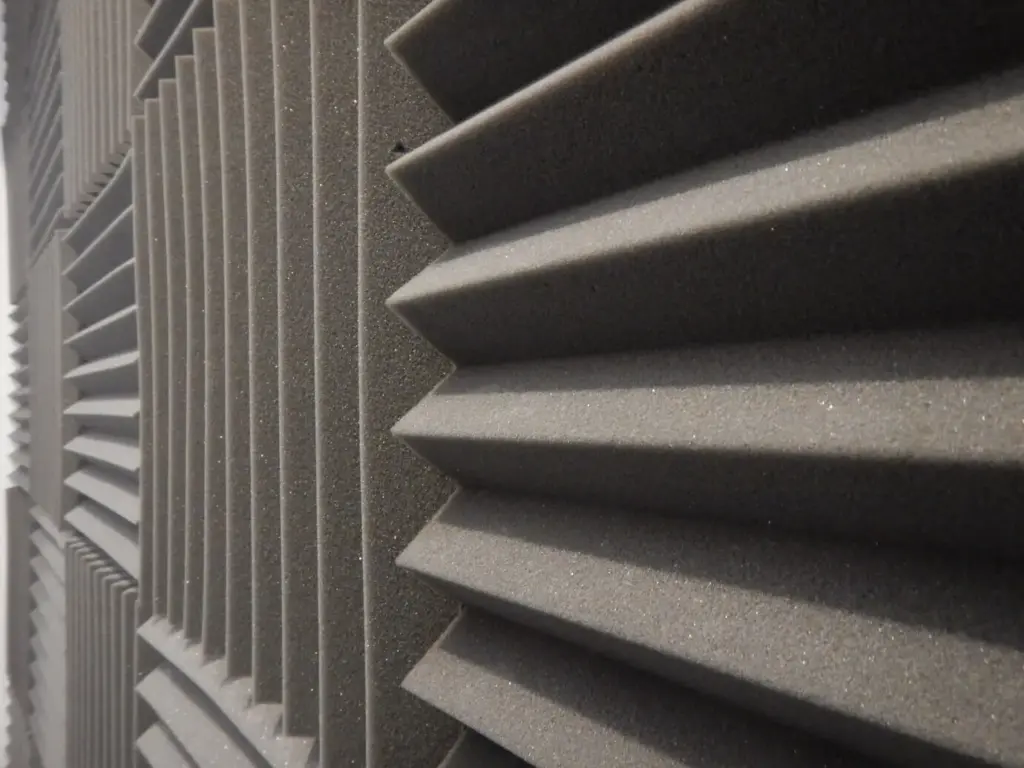
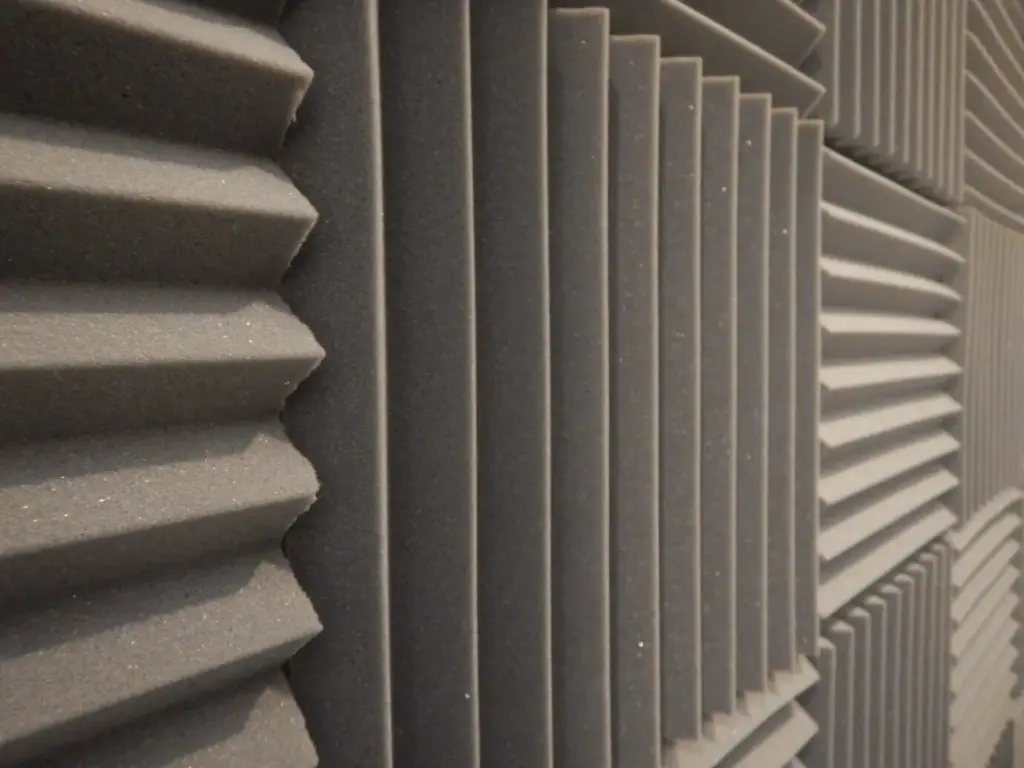
Upholstery, wool rugs, heavy drapery, and acoustic art panels do more than decorate; they absorb reflections that muddle speech and fatigue the ear. High-NRC treatments can be blended into millwork, headboards, and ceilings so rooms remain elegant. Carefully tuned absorption avoids that over-damped, flat feeling, preserving sparkle while trimming glare, allowing a whisper to carry comfortably and a laugh to land kindly.
Architecture for Hushed Living

Technology That Listens, Not Shouts
Sound Masking Done Elegantly
Precisely tuned broadband sound, introduced at very low levels, can cover speech intelligibility across partitions and glass fronts. When implemented artfully, it feels like air itself gained softness. Placement and spectral shaping matter greatly; otherwise, masking becomes a hiss. The best systems blend with ventilation noise, reshape awkward rooms, and protect confidentiality without any visitor realizing supportive technology is present.
Active Control in Select Spaces
Active noise control shines with predictable, low-frequency nuisances: transformer hum, generator drone, or repetitive mechanical tones. Directed speakers create counterwaves, reducing annoyance in targeted zones. It is not a universal fix, but in wine rooms, executive offices, or premium cabins, it can rescue cherished experiences. Expert commissioning ensures benefits outshine artifacts, keeping magic intact while engineering remains gracefully invisible.
Appliances and Interfaces That Whisper
Choose dishwashers, ice makers, and ventilation hoods with verified low dB ratings, and prioritize variable-speed motors over binary on/off roars. Tactile interfaces click quietly, and motorized shades glide rather than grind. Together, these choices produce a chorus of almost-nothings, where daily rituals proceed without mechanical commentary, underscoring a philosophy that the most sophisticated statements are the ones no one hears.
Proving Serenity: Metrics and Money
Reading the Numbers Without Falling Asleep
STC focuses on airborne isolation, especially mid frequencies; IIC handles footfall and impacts; NRC tells how much a surface absorbs on average. None alone defines comfort. Combine them with background noise goals and target frequency bands. Translate charts into feelings—crisper speech, softer edges, smoother sleep—so decisions remain human-centered, not just technical, aligning spreadsheets with what ears and hearts genuinely crave.
Before and After: Measuring What You Feel
Baseline assessments with calibrated mics, reverberation readings, and simple listening walk-throughs set expectations and reveal priority leaks. After interventions, repeat tests and collect occupant feedback. Many describe lighter headaches, longer focus blocks, and more affectionate dinners. These subjective notes, paired with graphs, tell a complete story, turning the invisible into evidence and ensuring each dollar actually elevates lived experience.